
Mercury and Its Impact on the Oil and Gas Industry
A Hidden Problem

First Things First…
When we talk about Mercury, we are talking about elemental Mercury, chemical symbol Hg, not the late, great lead singer of Queen, Freddie Mercury.

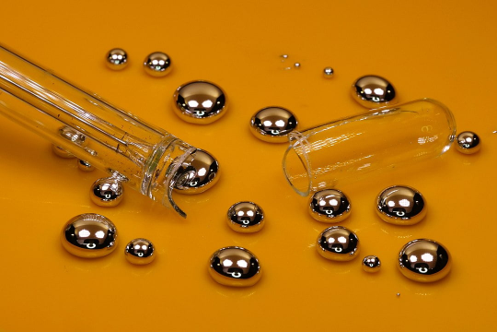
The main claim to fame and probably what gives it one of its other names “i.e. quicksilver” is that Mercury is the only metal that is a liquid at room temperatures. This is also mirrored in its chemical symbol Hg, which stands for Hydrargyrum which is “Water-silver” in Latin.
Where to find Mercury
Mercury (Hg) occurs naturally in geologic hydrocarbons, it is thought to originate from volcanic rocks, often underlying the reservoir. There is a possible inherent relationship involving CO2 and Hg (CO2 can facilitate the transport of Hg in the gaseous phase).
In some instances, it may be possible for Geologists to predict with some accuracy whether a reservoir will contain appreciable concentrations of Hg. The correlations involve source rock proximity to underlying volcanic formations, reservoir CO2 content, regional trends and various parametric associations. Geologists in locations that have a history of Hg in reservoirs can estimate the range of Hg concentrations with some confidence. Early indication of Hg in produced fluids is useful for planning well tests. Such studies have occurred in the gas-condensate fields of Oposhnya (Ukraine) and Astrakhan (Russia).
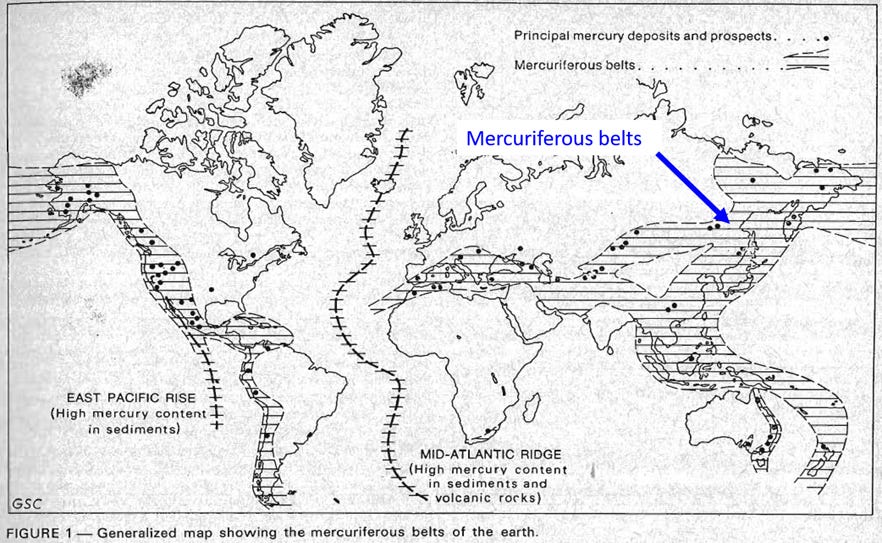
High Mercury Levels are Associated with the Ring of Fire: Deep Crustal Fault Zones, Plate Boundaries and Volcanoes
You may ask yourself “Why is it important to know how much mercury is in your oil and gas streams?”. The main reason is that it is highly toxic and understanding how it affects your health is so important.
Mercury and its impact on Health
Elemental mercury was first used thousands of years ago by the Ancient Romans, Greeks, Chinese and Egyptians and even then they knew it was a dangerous material to work with because people mining and working with it kept getting sick.
The reason for that is Hg and Hg compounds are neurotoxins and bio-accumulate in your body. Hg enters the body principally through the inhalation of its vapour; dermal absorption (Hg0 and organic Hg compounds) and ingestion (ionic Hg) are also possible.
Neurological Symptoms of mercury poisoning include:
Tremors
Personality changes
Memory loss
Coordination problems
In fact, the common phrase “as mad as a hatter” came about because of the use of mercury in felt cloth production, which was used to make hats in the 18th and 19th centuries.

Elemental mercury
An interesting nuance is that elemental mercury is much more dangerous when inhaled as vapor than when touched or swallowed. Modern toxicology established this distinction only relatively recently. Ancient observers knew mercury could make people ill but did not understand that inhaling invisible mercury vapour was often the primary route of poisoning
Mercury Toxicity
One of the most notorious cases of mercury poisoning in the 20th century occurred in Minamata, Japan in the 1950’s
What happened?
A chemical factory discharged methylmercury into Minamata Bay over many years. The mercury accumulated in fish and shellfish, which were then eaten by local residents. This caused widespread mercury poisoning.
Victims suffered severe neurological symptoms, including:
Numbness of the hands and feet
Loss of coordination (ataxia)
Vision and hearing impairment
Paralysis
Coma and death in severe cases
The poisoning also affected unborn children, leading to severe developmental and neurological disorders known as congenital Minamata disease.
Why is it historically important?
Minamata disease became one of the world’s most famous environmental health disasters and played a major role in the development of modern environmental regulation and pollution control. It is often cited as the classic example of mercury bioaccumulation in the food chain.
A more recent 21st century example of Health and Safety issues associated with mercury production in the oil and gas industry is on the Ichthys platform operated by Inpex offshore Western Australia.
In this case workers and the environment were exposed to mercury on the Ichthys platform.
Read more about it here
Inpex slammed by Australia’s regulator for mercury leak a...
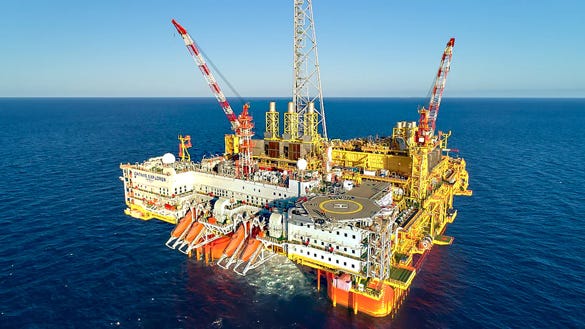
Ichthys Platform
Not only is mercury toxic to people it can also have an adverse influence on topsides processes especially if there is aluminium present. We go into more detail regarding those issues later in the post.
Types of Mercury
Unlike coal where Hg presents in pyrite or other sulphide minerals, several forms of Hg are found in crude oil and gas condensates; they include:
Elemental mercury, Hg0
Suspended mercury compounds, notably mercuric sulphide, HgS
Organic mercury compounds, R2Hg and RHgCl where R is CH3, CH3CH2 etc
Mercuric halides, notably mercuric chloride, HgCl2
There is some evidence that other Hg species may be present, but those listed above are considered the main constituents, with Hg0 dominating the others.
The total mercury concentration (THg) reported in hydrocarbons varies considerably (THg concentrations in crude oil above 5 parts per million are known). Gas condensates in SE Asia have dissolved THg concentrations in the range of 10 to 800 parts per billion.

Elemental Mercury
The volatile nature of elemental mercury (Hg0) makes it the dominant form in natural gas, allowing it to concentrate up in the lighter fractions of refined petroleum. At ambient temperature Hg0 is soluble in aliphatic liquids from 1 to 3 parts per million, this is several times greater than its solubility in water (<0.05 parts per million) and TEG (<0.1 parts per million) and greater than its solubility in the amines used for gas sweetening. The solubility of Hg0 in produced hydrocarbons is highly dependent on temperature, thus when saturated liquids cool, Hg0 can precipitate and then readily absorb onto metallic surfaces and silicates suspended in liquids and reacts with corrosion products (iron oxide) in pipes and equipment thus causing it to accumulate in oil and gas production systems.
Suspended mercury compounds
Unprocessed hydrocarbon liquids and many process flows contain suspended mercury compounds, notably mercuric sulphide (HgS). (Meta-) HgS particles are usually small (1-10µm ) and are insoluble in liquid hydrocarbons and water.
Organic mercury compounds
Organic mercury compounds such as Dialkyl mercury compounds (R2Hg) are highly soluble in crude oil and gas condensates and partition to the hydrocarbon liquid phase according to their boiling point. The prevalence of R2Hg is a matter of some debate, but they are considered to be a very low percentage of the THg content of crude oil and gas condensates.
Methyl mercury halides such as methyl mercury chloride (CH3HgCl) partition preferentially to the water phase when the water is separated from the oil.
Mercuric halides
Mercuric halides, notably mercuric chloride (HgCl2), are approximately 10 times more soluble in crude oil and gas condensates than Hg0. However, HgCl2 will still partition preferentially to the water phase in primary separations. The extent to which HgCl2 is soluble in the aqueous phase depends on the salinity and pH of the produced water. The natural abundance of ionic compounds is unclear, as Hg0 oxidizes in liquid hydrocarbon.
Hg0 + HgCl2 ——→ Hg2Cl2
Understanding better the types of mercury that can occur and where it may be found is very important due to the toxicity of mercury to humans. Too much exposure to mercury can have a serious effect on people’s health.
Impact of Mercury on oil and gas processes
Corrosion of Aluminium by Mercury
We should also mention that as well as its toxicity, elemental mercury has another unwanted property, which is that it is very corrosive to aluminium.
This nasty property of mercury led to an infamous failure of the LNG process at the Skikda LNG plant in Algeria in 1975.
The LNG systems failed due to a Brazed Aluminium Heat eXchanger (BAHX) in the liquefaction plant suffering a catastrophic failure due to the presence of mercury in the natural gas feed. The mercury attacked the aluminium exchanger through corrosion mechanisms such as amalgamation and liquid metal embrittlement (LME).
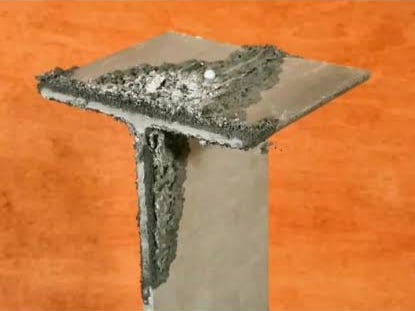
Failure mechanism
Natural gas can contain trace quantities of elemental mercury. In cryogenic LNG facilities, aluminium heat exchangers are widely used because of their excellent thermal conductivity.
Mercury can:
Penetrate the protective aluminum oxide layer.
Form an aluminium-mercury amalgam.
Cause rapid loss of metal integrity.
Promote liquid metal embrittlement, resulting in sudden brittle cracking under relatively low stress.
The resulting exchanger failure was severe enough that it became a landmark case in LNG process safety.
Industry impact
The incident fundamentally changed LNG plant design. Following the failure, LNG operators began installing Mercury Removal Units (MRUs) upstream of liquefaction trains to reduce mercury concentrations before gas entered any aluminium cryogenic equipment.
Typical LNG specifications today limit mercury to extremely low concentrations, often around 0.01 μg/Nm³
When it comes to oil and gas processing, the most severe effect of elemental Hg (Hg0) on gas processing is corrosion; both amalgam corrosion and liquid metal embrittlement (LME) can occur. In the presence of moisture, Al based alloys are particularly prone to amalgam corrosion.
Hg0 + Al ——→ Hg(Al)
2Hg(Al) + 6H2O ———>2Al(OH)3 + 3H2 + 2Hg0
The reaction regenerates Hg0, enabling it to form more amalgam in a continuous corrosion process.
LME is caused by Hg0 diffusing through the grain boundaries of metal to form a liquid amalgam. In contrast to amalgam corrosion, LME does not require moisture; it can result in a rapid brittle fracture. This type of corrosion can affect a range of metals - Al alloys, Cu based alloys and some steels.
There are many recorded cases of cryogenic equipment failure in older gas plants such as Skikda, however the introduction of Hg0 removal units and ‘cold box’ designs that have been specifically designed so that they are resistant to Hg0, have served to reduce the rate of failure.
Other detrimental impacts of Hg0 on gas processing include:
The deposition of Hg0 in equipment poses a health and safety risk to personnel involved in maintenance or inspection.
Spent Hg sorbent materials are a hazardous waste that operators must store or process for disposal.
Contamination of treatment processes such as glycol dehydration systems, molecular sieve and amine acid gas removal units
Sludge containing Hg from water treatment systems, separators, de-salters and heat exchangers represent a toxic waste that is difficult to store or process for disposal.
Hg0 in gas plant products can affect downstream manufacturing. Chemical plants, notably those that produce ethylene, olefins, aromatics and MTBE (methyl-tert-butyl ether) are at risk of Hg0 in feeds due to its corrosion and catalyst deactivation potential.
The information provided in our post to this point quite clearly details why knowing how much mercury is in your oil and gas stream is important. Consequently knowing what to look for is really important when trying to measure how much mercury is in the oil, gas and water samples that are taken from wells during exploration, appraisal and development drilling.
Sampling and Analysis
Establishing the concentration of Hg0 in the reservoir is key when designing gas plants. However, the ‘actual’ concentration of Hg0 in recently discovered reservoirs is often elusive. Hg0 measurements determined at the surface during flow tests or using bottomhole sampling devices are mostly lower than those achieved during production as the metallic surfaces in contact with the reservoir fluid scavenge the Hg0.
The potential for Hg0 absorption from samples collected at the surface is particularly great. Fluids must traverse thousands of meters of tubing plus topside piping and equipment prior to sampling. Furthermore, the volume of gas needed to saturate the string with Hg0 is usually much greater than that delivered during the period of a drill stem test (DST). Consequently, samples retrieved downhole in suitably coated sample bottles to prevent the Hg0 from absorbing on the inner surface of the sample bottle are the recommended method to sample for Hg.
To remove possible mercury contamination of liquid samples from mercury containing particulates (including reservoir sand) and drilling mud it is recommended that the sample be filtered prior to analysis. However, any filtration equipment must be made from suitable materials that don’t absorb Hg0 or be suitably coated to prevent solubilized Hg0 from absorbing onto the metal surface of the filter
If sampling procedures are carefully considered and estimates of Hg0 losses to metal surfaces are applied, determining the lower limit of Hg0 in produced hydrocarbons is achievable. Establishing the upper Hg0 limits requires regional correlations or rigorous downhole sampling procedures, including the use of special alloys and/or suitably lined sample bottles.
Ultimately there is a skill and a lot of experience that is needed when taking samples for mercury analysis. It is not a straightforward process and needs a separate detailed sampling and analysis procedure to maximize the accuracy of the process. Not all companies provide the same mercury sampling service, so it is important to factor this into whom you choose to perform the sampling and analysis. This is where Pontem Analytics can provide valuable assistance as we are able to assist in the design of the sampling and analysis program and vet any prospective service provider chosen to do the mercury sampling and analysis.
Mercury analysis in Natural Gas
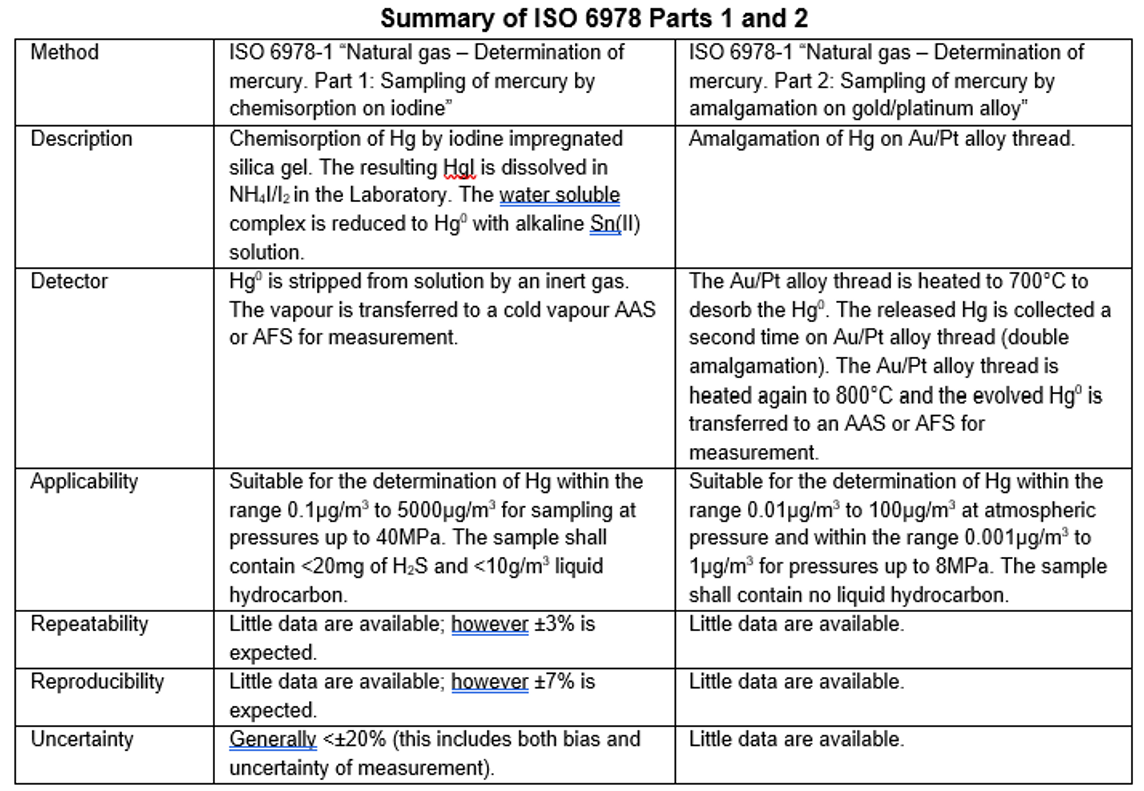
You have to approach the analysis of natural gas and liquid hydrocarbons separately. Natural gas contains principally Hg0 and possibly Hg(CH3)2, though in minuscule amounts. Prior to analysis, Hg must be separated from the matrix as the presence of hydrocarbons, particularly aromatics, interfere in the determination of Hg by atomic absorption spectrometry (AAS) and atomic fluorescence spectrometry (AFS).
A summary of the ISO methods for sampling and analysis is presented in the next Table.
Mercury analysis in Liquid Hydrocarbon
In contrast to natural gas which contains mainly Hg0, a variety of Hg species can be encountered in crude oil and gas condensates.
According to ASTM 7482-08 “Standard Practice for Sampling, Storage and Handling of Hydrocarbons for Mercury Analysis” normal hydrocarbon liquid sampling procedures are employed to obtain discrete, homogeneous samples. A grab sample should suffice if particulates such as HgS are not expected; otherwise iso-kinetic sampling is favoured.
The determination of THg in liquids is highly sensitive to seemingly minor aspects of sampling such as, sample container type, capture of volatile Hg and the amount of headspace present in the sample. ASTM 7482-08 recommends the use of pre-cleaned (with nitric acid) 40mL borosilicate glass vials with a PTFE lined septum cap, commonly known as VOA (Volatile Organic Analysis) vials. If larger volumes of samples are required (>1L) epoxy-lined steel containers are preferred (uncoated metal containers are unsuitable and will significantly deplete the Hg content in the sample). Furthermore, sampling equipment should not contain the following – Cu, Zn, Sn, Al or alloys composed of these metals.
To avoid the loss of volatile Hg species, sampling should occur with minimal delay (dissolved Hg evaporates with an apparent vapour pressure similar to butane or pentane). To limit the partitioning of volatile Hg to the vapour phase, as little a headspace as possible should remain in the vial (1 to 2mL in a 40mL vial)
Mercury analysis in Produced Water
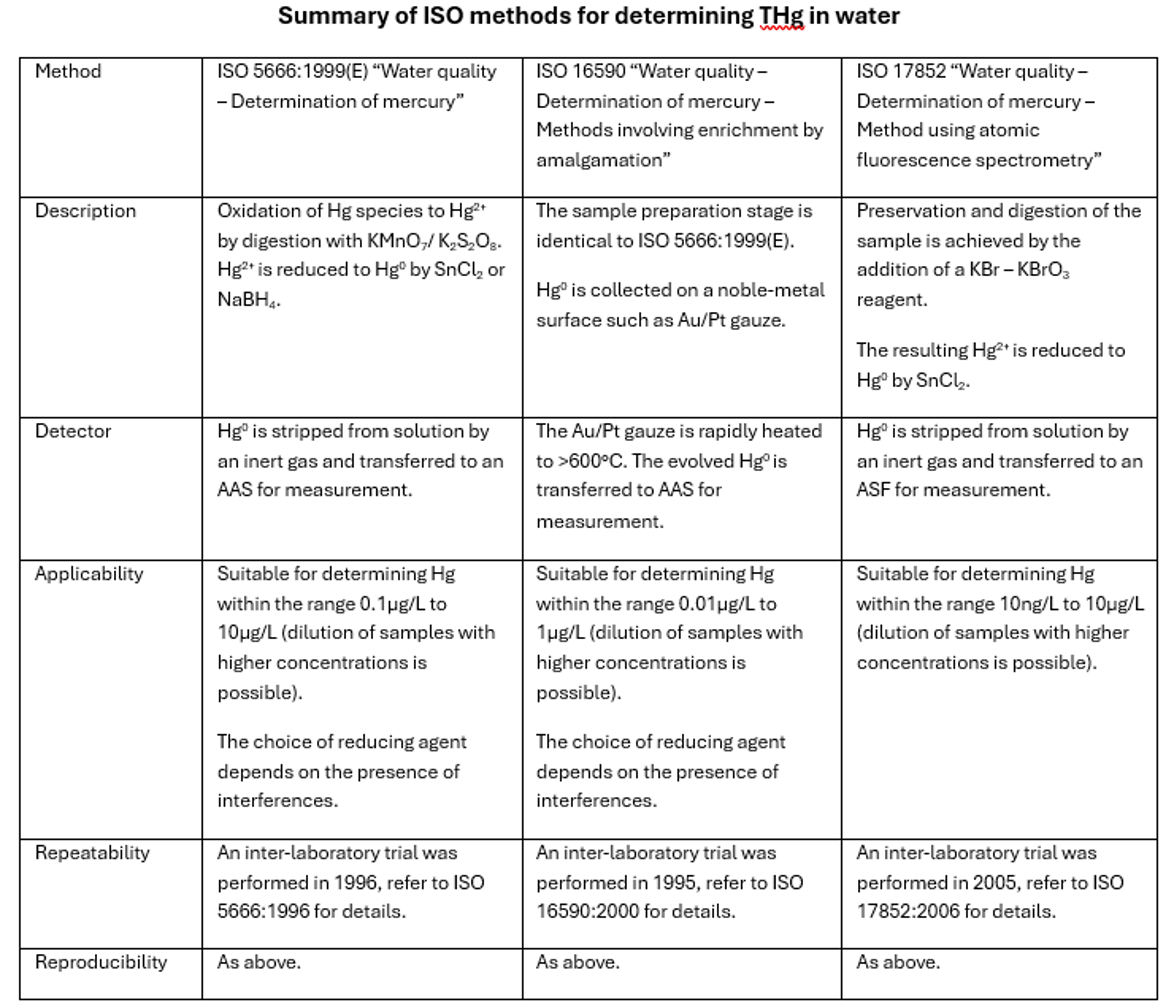
Produced water from petroleum production facilities contain mostly Hg in ionic or suspended forms (Hg0 has a low solubility in water).
The choice of sample container is similarly important for the determination of THg in water samples. ISO 5667-3:2003(E) “Water quality – sampling – Part 3: Guidance on the preservation and handling of water samples” recommends the use of pre-cleaned (with HNO3) 500mL borosilicate glass bottles. Preservation of the sample is required, and the preferred technique is the addition of HNO3 to pH 1 to 2 and K2Cr2O7 at 0.05 m/m% (in the final solution).
Predicting Mercury Distribution
Once you have an idea of how much Mercury may be present in the reservoir fluids it is important to understand how the mercury distributes itself across the various phases at different temperatures and pressures. To achieve this Pontem use software packages that can predict the concentration of Hg in gas and liquid hydrocarbon process streams. Generally, only Hg0 is considered in the models; for natural gas this has proven entirely suitable (less so for crude oil). The models use thermodynamic properties and empirical data to forecast the distribution of Hg0 between the natural gas, liquid hydrocarbon and water phases. When there are 3 phases present, the partitioning of Hg0 to water is usually ignored due its low solubility in water and the accumulation of particulate Hg in separated water streams. Wherever possible it is good to compare the simulated results with measured data from similar processing plants.
Mercury Removal
Finally, once you know there is mercury in your production stream it is important to be able to remove it. Over the years a number of different mercury removal systems have been developed.
The removal of Hg from natural gas and liquid hydrocarbons is achieved using sorbents. Sorbents consist of a substrate support and a reactive component that is bound to the support. The sorbent reacts with Hg0 (or a compound of Hg) to form an insoluble and inert species such as HgS, HgI or amalgam. Several commercial processes are offered for the removal of Hg, some are suited to gas, others are applicable to liquid streams.
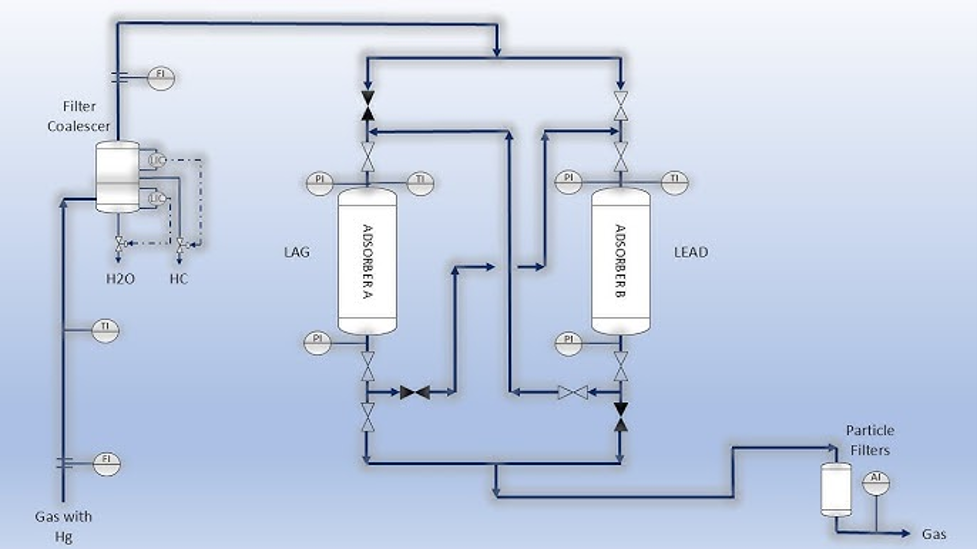
There are a number of different sorbent types that can be used to remove mercury. Some of these have been listed below.
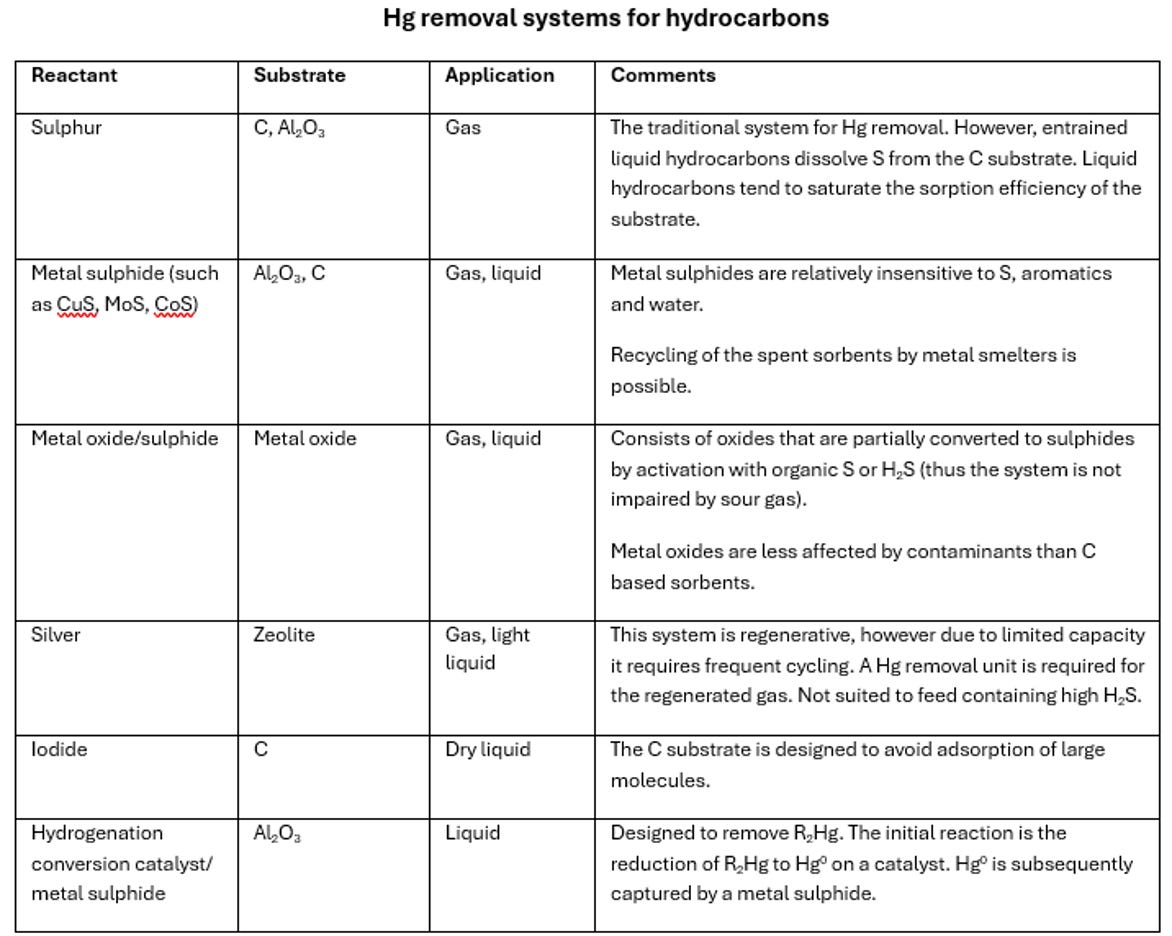
Using sorbents to remove Hg from liquid hydrocarbons is more difficult; a variety of Hg species is usually present in the matrix, and most Hg removal systems are chemically specific to a particular form of Hg, usually elemental. If the feed contains significant amounts dialkyl or ionic Hg the removal system may not function efficiently.
An emergent and important development in natural gas production is the relocation of Hg removal units (MRU) to upstream locations. The development of high-capacity sorbents resistant to entrained water and liquid hydrocarbons (such as metal sulphides) have resulted in the positioning of MRU upstream of dehydration and acid gas removal. Furthermore, light liquid condensates that have undergone primary water separation can also be successfully treated for Hg removal.
To get the most out of any mercury removal technology, Pontem Analytics using our expertise in system optimization can create a state-of-the-art physics based machine learning model to monitor closely how the mercury removal unit is performing and how mercury levels are changing over time.
To conclude, the management of mercury in a producing oil and gas system is a complex process starting at the point you take a sample for analysis all the way through to its removal but in many instances because it is so difficult to take a representative sample and easy for the mercury to be lost from any sample taken. Many systems only find out once they start producing that they have a mercury problem and by that time it is usually too late to develop a cost-effective solution. Brownfield Engineering modifications are expensive $$$.
Taking that into account, it is important to fully understand all the issues associated with developing a mercury management strategy and that knowledge is not always present in every oil and gas operator. So with that in mind, come and get that knowledge by speaking with Pontem Analytics who have years of experience dealing with this exact problem.